

The White Paper on Advancing Inclusive Oral Health in India examines the country’s oral health burden, disparities in access, and economic impacts. It proposes a strategy focused on awareness, prevention, equitable access, and stronger oral healthcare systems.
The Market Study on Opportunities for Renewable Drinking Water Technology in Rural, Remote and Hard-to-access Areas in India assesses the feasibility and market potential of decentralised renewable drinking water solutions across four states. It evaluates technology, demand, affordability, and business models, identifying Water-as-a-Service as the preferred approach.
The City Heat Resilience Toolkit provides a decision-making framework for local governments to assess and address urban heat risks through infrastructure, policy, financing, and community-based solutions. It supports reduced heat exposure, improved public health, and greater urban resilience.
The Urban School Disaster Preparedness Handbook provides practical guidance for schools to assess disaster risks, strengthen preparedness, and protect students, teachers, and staff. It supports safer learning environments and continuity of education during emergencies.
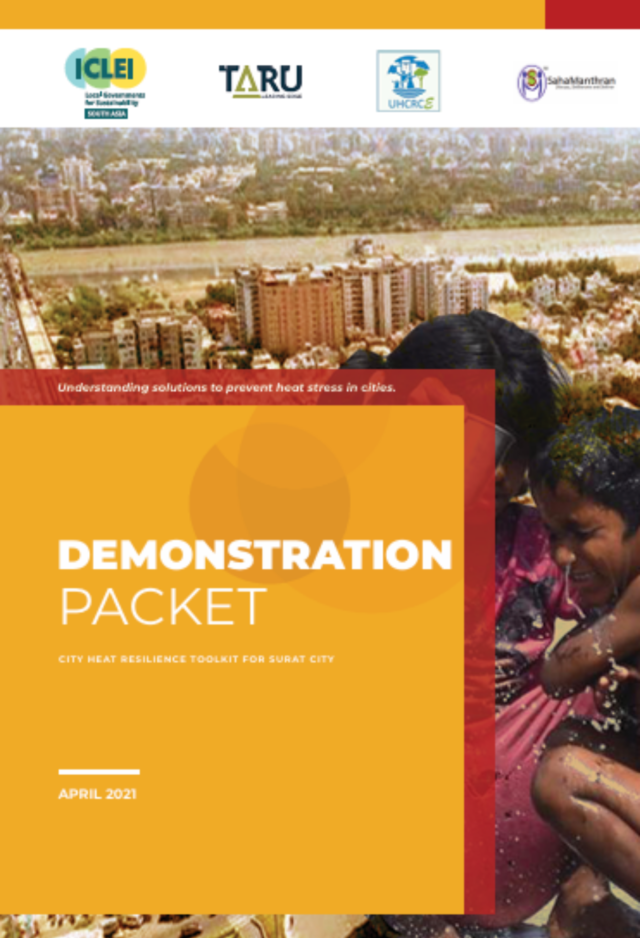
The Demonstration Packet – City Heat Resilience Toolkit for Surat City applies a heat resilience framework to Surat, examining heat vulnerability, its underlying drivers, and contextual solutions. It supports decision-makers in mapping risks and prioritising locally relevant interventions.
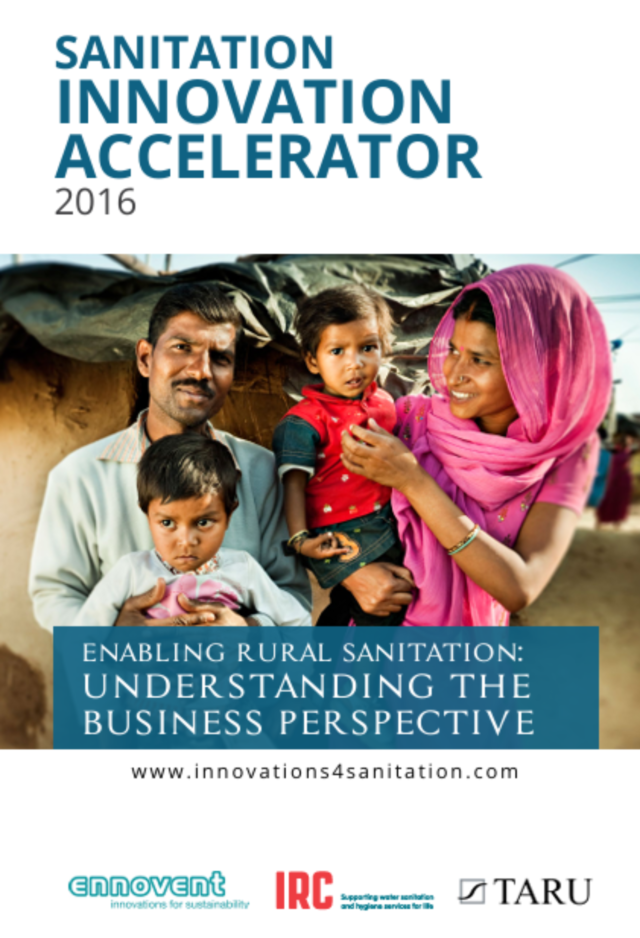
The Sanitation Innovation Accelerator 2016 identified and supported inclusive and scalable innovations addressing rural sanitation challenges in India. It assessed sanitation enterprises and provided selected businesses with due diligence and tailored coaching to strengthen their potential for scale.
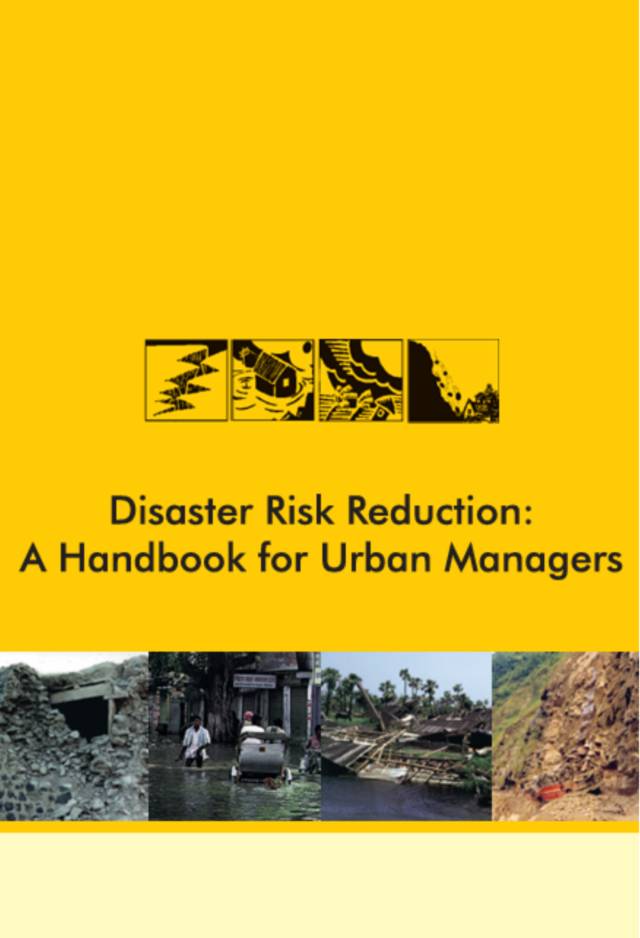
The Disaster Risk Reduction: A Handbook for Urban Managers provides practical guidance on integrating disaster risk reduction and multi-hazard resilience into urban planning and development. It combines key guidance with good-practice case studies to support safer and more resilient cities.
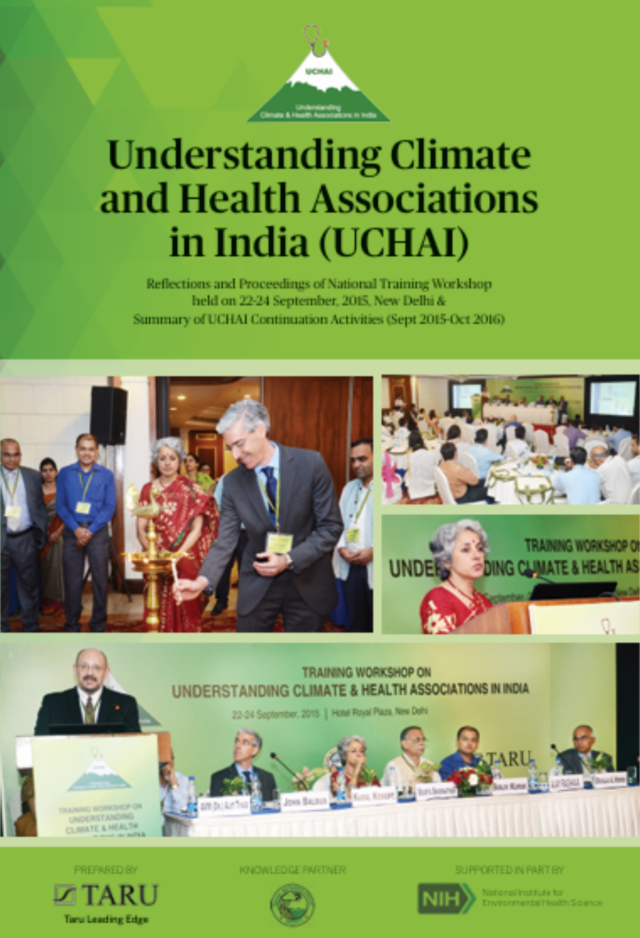
The Understanding Climate and Health Associations in India (UCHAI) initiative brought together experts from India and the United States to strengthen understanding of climate-related health risks. It fostered knowledge exchange, awareness, and collaboration on climate and public health.
The Roadmap for Planning Heatwave Management in India provides a national framework for strengthening heatwave preparedness and management. It offers directions for national, state, and local leaders to develop context-specific plans and strengthen coordination and resilience.
The ACCCRN India: Synthesis Report – Volume I examines the interconnected challenges of urbanisation, poverty, and climate change in Indian cities. It synthesises evidence and city-level experiences to inform urban climate resilience planning and practice.
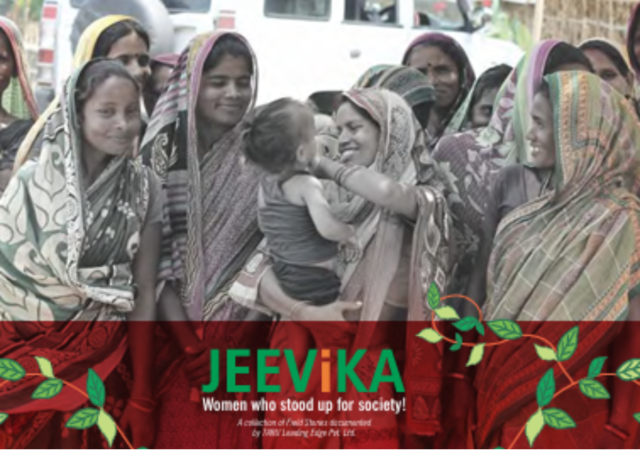
Jeevika – Women Who Stood Up for Society is a compendium of human stories highlighting women’s experiences and contributions as agents of change. It captures their role in social development, overcoming local challenges, and strengthening collective action.
The Handbook on Achieving Thermal Comfort within Built Environment – Volume II provides guidance on passive cooling and cool-roof solutions, particularly for low-income urban households. Drawing on demonstrations in Surat and Indore, it presents cooling options, benefits, implementation approaches, and costs.
