Lightning strikes are among the leading causes of weather-related fatalities in India, disproportionately affecting rural and agrarian communities. In Bihar, the frequency and intensity of lightning events have risen in recent years, driven by shifting climate patterns and high exposure among vulnerable groups, including farmers, daily wage labourers, and women. Despite this growing risk, localised preparedness systems and community awareness mechanisms remain limited, underscoring the need for targeted, data-driven interventions.
In response, the United Nations Development Programme, in partnership with the Bihar State Disaster Management Authority (BSDMA) and the District Disaster Management Authority (Rohtas), launched the Lightning Mitigation Programme for Rohtas. As the lead technical partner, Tarutium Global Consulting is supporting the design and implementation of a comprehensive, climate-resilient framework to reduce lightning-related fatalities and strengthen local preparedness.
Tarutium’s approach is anchored in a Climate Risk Management framework with three pillars: mapping risk, reducing vulnerability, and mitigating impact. The project begins with a detailed vulnerability and risk assessment, combining historical lightning data, geospatial analysis, and socio-economic indicators to identify high-risk zones. This assessment forms the foundation for a Digital Risk Atlas, an interactive tool that enables authorities to visualise risk patterns and prioritise interventions.
Building on this evidence base, Tarutium developed a costed Lightning Mitigation Plan aligned with national guidelines, outlining actionable strategies, institutional roles, and a robust monitoring and evaluation framework. The programme also places strong emphasis on capacity building and community engagement. Training modules, a Lightning Risk Management Handbook, and district-wide workshops are equipping local officials and frontline stakeholders with the knowledge and tools needed for an effective response.
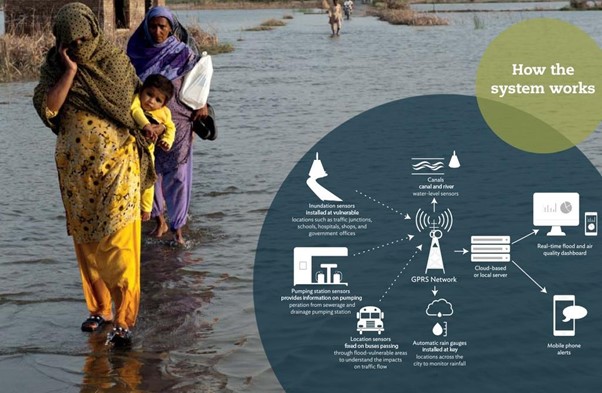
To drive behavioural change at the community level, the project includes designing multilingual IEC materials and campaigns that promote lightning-safe practices. These efforts are complemented by integrating early warning systems and mobile-based alerts, ensuring timely dissemination of critical information to at-risk populations.
What distinguishes this initiative is its integrated, scalable design. By combining data-driven risk mapping, institutional strengthening, community engagement, and technology-enabled solutions, the programme moves beyond awareness to establish a systemic approach to reducing lightning risk. The development of a Monitoring, Evaluation, Accountability, and Learning (MEAL) framework further ensures that interventions remain adaptive, measurable, and sustainable over time.
Positioned as a pilot, the Rohtas model is designed for replication across Bihar and other high-risk regions in India. It demonstrates how localised, evidence-based planning, supported by strong institutional partnerships, can significantly reduce disaster risk and build long-term climate resilience.
Through this initiative, Tarutium is helping shift from reactive disaster response to proactive, community-centred risk management, ensuring safer futures for vulnerable populations.